 Mattila Companies Request a Project Quote Mattila Companies Request a Project Quote
 Mattila Companies delivers premium inground pool, hardscape, remodeling, and custom construction services designed to combine durability, craftsmanship, and modern design for properties that stand out.
From custom concrete and luxury hardscapes to remodels and full home builds, Mattila Companies delivers high-quality craftsmanship designed to elevate both indoor and outdoor living spaces.
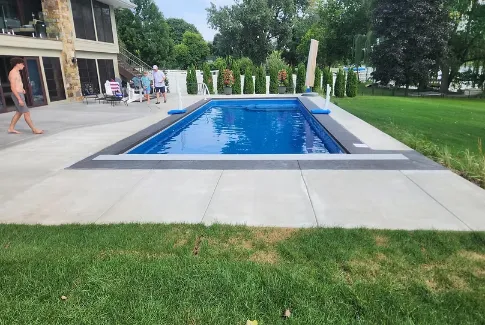
Inground Pools
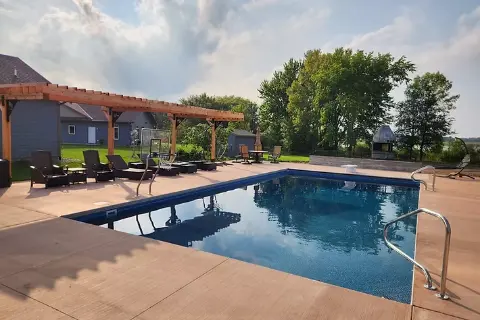
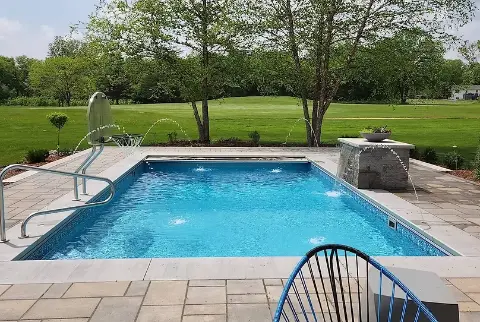
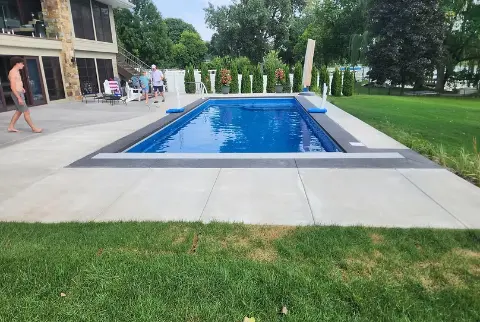
Custom inground pool design and installation services built to transform your backyard into a private outdoor retreat. From excavation and site preparation to pool construction and surrounding features, we create beautiful, functional pool spaces designed for relaxation, entertainment, and long-term enjoyment.
Details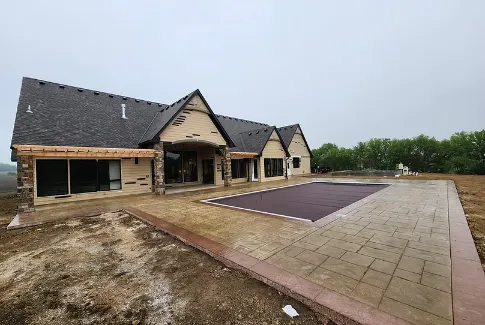
Custom Concrete
High-quality concrete installation services designed for durability, functionality, and curb appeal. We specialize in driveways, patios, sidewalks, pool decks, slabs, decorative concrete, stamped concrete, and custom flatwork built to withstand the elements while enhancing your property.
Details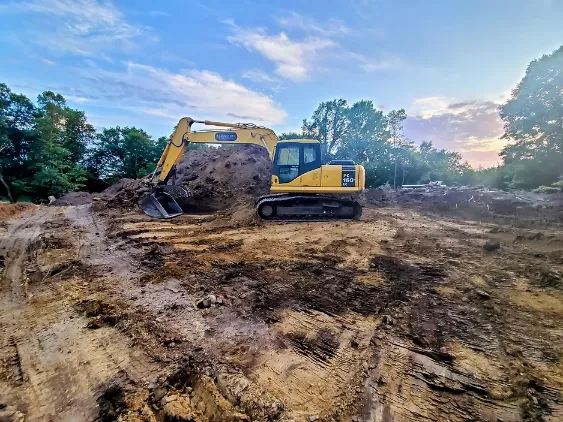
Excavation Services
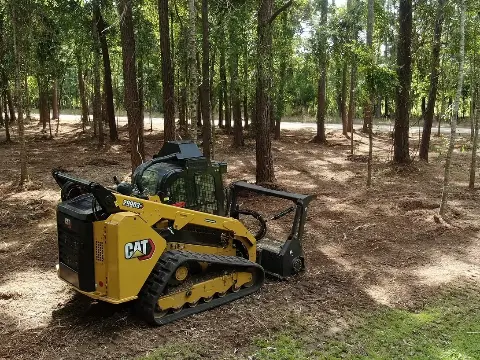
Professional excavation and site preparation services for residential and commercial projects. Whether you need grading, land clearing, foundation excavation, trenching, drainage solutions, or site development, we provide precise earthwork built to support successful construction projects from the ground up.
Details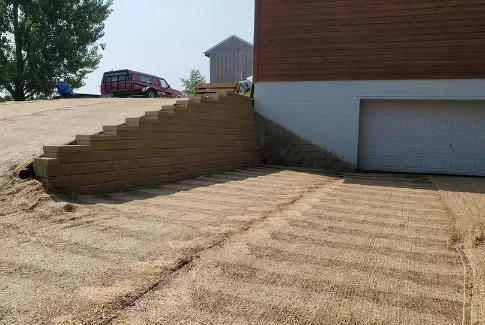
Hardscape Design & Construction
Custom hardscape solutions designed to elevate outdoor living spaces with beauty and functionality. Our services include patios, retaining walls, walkways, fire pits, outdoor kitchens, seating walls, landscape edging, and luxury outdoor entertainment areas built with premium materials and expert craftsmanship.
Details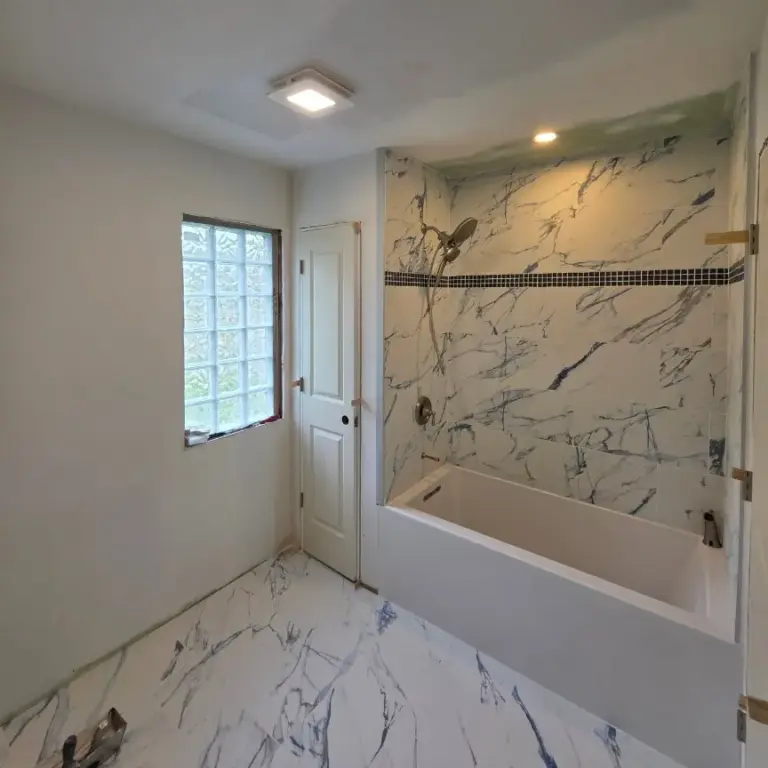
Remodeling Services
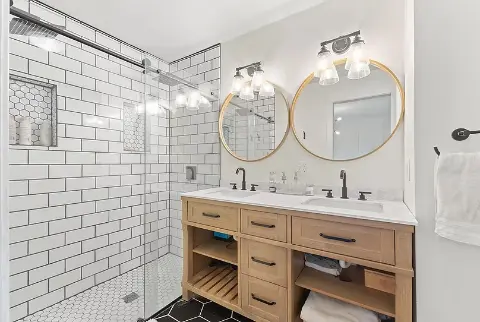
Professional remodeling and renovation services focused on improving comfort, functionality, and value. Whether you're updating kitchens, bathrooms, basements, living spaces, or completing whole-home renovations, we deliver quality craftsmanship and modern design solutions tailored to your vision.
DetailsReal projects. Real results.
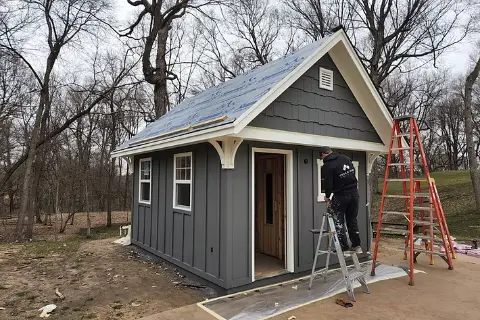
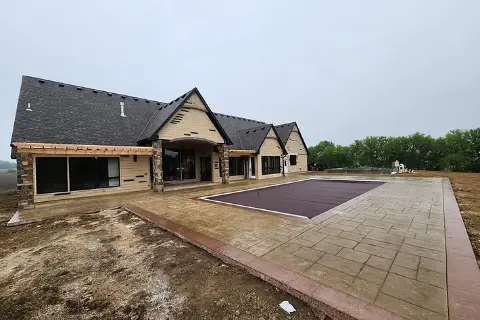
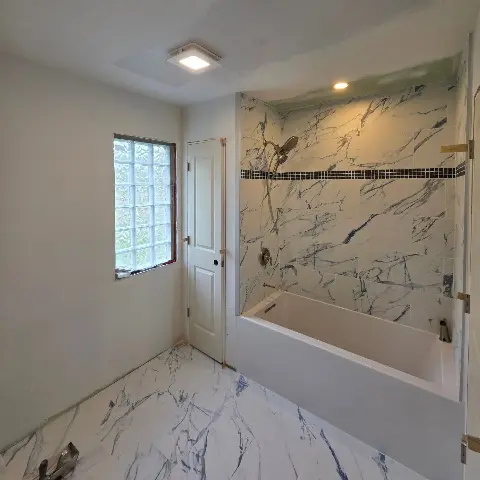
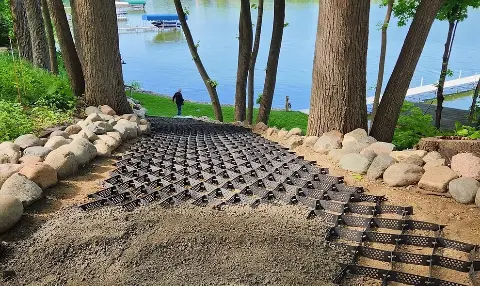
Serving Rockford and surrounding areas.
Ready to get started? We'd love to hear from you.

Mattila Companies is a family-owned construction company specializing in inground pools, excavation, concrete, hardscapes, and remodeling services. Since 2021, we've helped homeowners transform ordinary properties into beautiful, functional spaces built for lasting enjoyment. From custom backyard retreats to large-scale excavation and construction projects, we take pride in delivering quality craftsmanship, dependable service, and results that exceed expectations.
Owner Kent Mattila grew up working alongside his father at Mattila Construction Services before building his own career in excavation and underground utilities. After gaining years of industry experience with Blackstone Contractors, he founded Mattila Companies in 2021 with a vision of providing high-quality pool construction and excavation services. In 2024, he earned his Minnesota Builder's License (#BC808926), allowing the company to expand into remodeling and construction projects year-round.
What sets Mattila Companies apart is our commitment to staying focused on one project at a time. We don't juggle multiple jobs—we stay on your project until it's completed. Whether we're building a custom pool, installing decorative concrete, creating luxury hardscapes, or remodeling a home, we approach every project as if it were our own backyard.
Turning Earth Into Your Oasis.